buoy 10 fishing guides
Buoy 10 Fishing Guides: A Comprehensive Overview (2026)
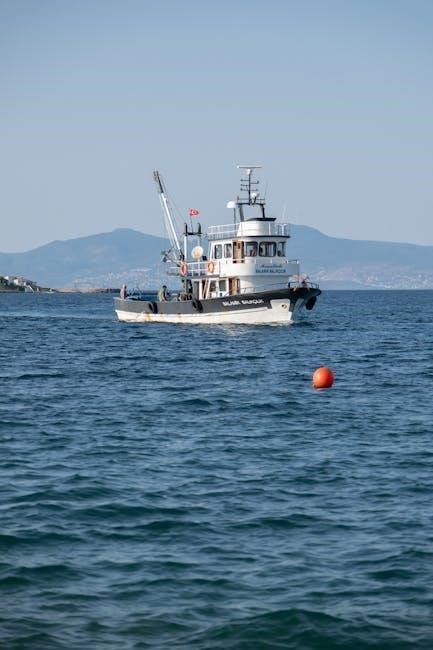
Buoy 10 offers exceptional salmon interception opportunities, particularly for Chinook, with guides utilizing trolling paths along the tide for consistent results.
Guides report excellent coho catches, alongside sturgeon fishery updates, and thriving crabbing in the estuary, providing diverse angling experiences.
Experienced guides closely monitor fishing regulations, including Chinook retention rules and hatchery coho limits, ensuring compliant and successful outings.
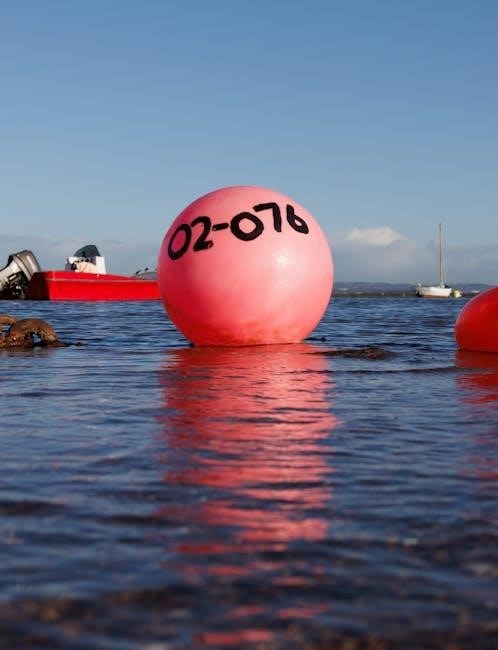
Buoy 10, located at the mouth of the Columbia River, represents a world-renowned fishing destination, particularly celebrated for its prolific salmon runs. This unique location marks the boundary between the freshwater of the Columbia and the saltwater of the Pacific Ocean, creating an ideal environment for migrating salmon to congregate.
For decades, Buoy 10 has attracted anglers seeking the thrill of battling powerful Chinook and Coho salmon. The area’s strategic positioning allows for effective interception of these fish as they transition between saltwater and freshwater, making it a hotspot for both recreational and guided fishing expeditions. The consistent action and potential for large catches have solidified Buoy 10’s reputation among fishing enthusiasts.
Experienced fishing guides play a crucial role in maximizing the angling experience at Buoy 10. They possess in-depth knowledge of local tides, currents, and salmon behavior, enabling them to consistently put clients on fish; These guides also stay abreast of ever-changing fishing regulations, ensuring responsible and legal angling practices. The anticipation for the 2026 season is high, with predictions of over a million fall salmon returning to the river.
What Makes Buoy 10 a Prime Fishing Location?
Buoy 10’s prime location at the Columbia River’s mouth is the key to its fishing success. The mixing of saltwater and freshwater creates a nutrient-rich environment, attracting salmon during their upstream migration. This convergence point allows anglers to intercept large numbers of fish concentrated in a relatively small area.
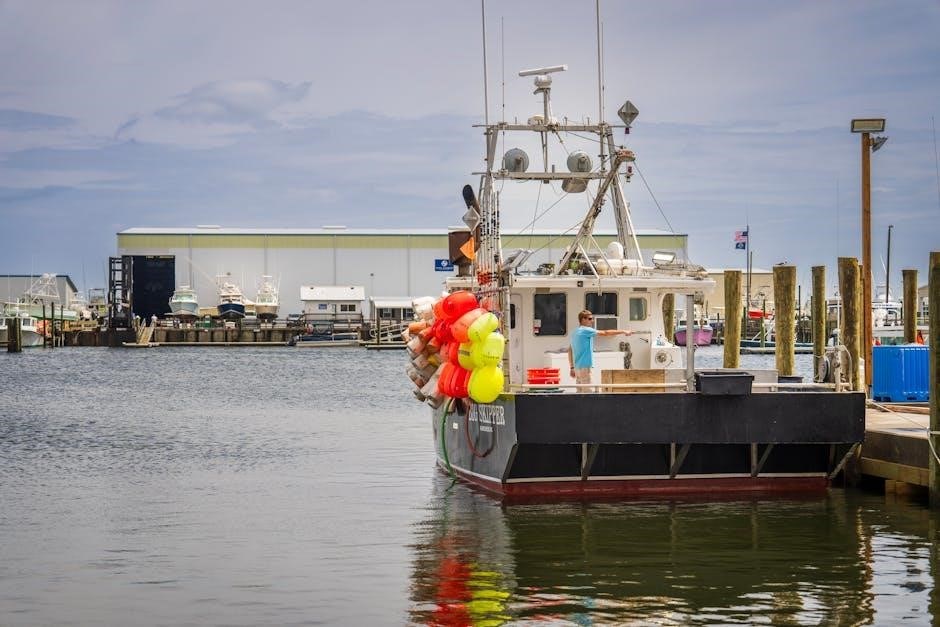
The tidal influence significantly impacts fishing strategies, with fishing guides expertly utilizing incoming tides for optimal results. Following the tide upriver for a couple of miles, then returning to the buoy, is a common and effective trolling technique. Furthermore, the North Jetty provides excellent opportunities for bottom fishing, adding to the diverse angling options.
Beyond salmon, Buoy 10 offers opportunities for surf perch fishing on nearby beaches and abundant crabbing in the estuary. Knowledgeable fishing guides can tailor trips to target multiple species, enhancing the overall experience. The predicted return of over a million fall salmon further solidifies Buoy 10’s status as a premier fishing destination.
Historical Significance of Buoy 10 Fishing
Buoy 10 has a long-standing tradition as a pivotal fishing location, deeply ingrained in the angling culture of the Pacific Northwest. For decades, it has served as a crucial interception point for migrating salmon returning to the Columbia River, becoming synonymous with successful salmon harvests.
Historically, the area’s importance stemmed from its strategic position, allowing both commercial and recreational fishers to capitalize on the concentrated salmon runs. Fishing guides have played a vital role in preserving this tradition, passing down knowledge and techniques through generations.
The consistent return of over a million fall salmon annually has cemented Buoy 10’s reputation. While regulations and fishing practices have evolved, the core appeal – the opportunity to connect with a robust salmon population – remains unchanged. Today’s fishing guides continue to build upon this legacy, offering anglers a chance to participate in a time-honored fishing experience.
Salmon Fishing at Buoy 10
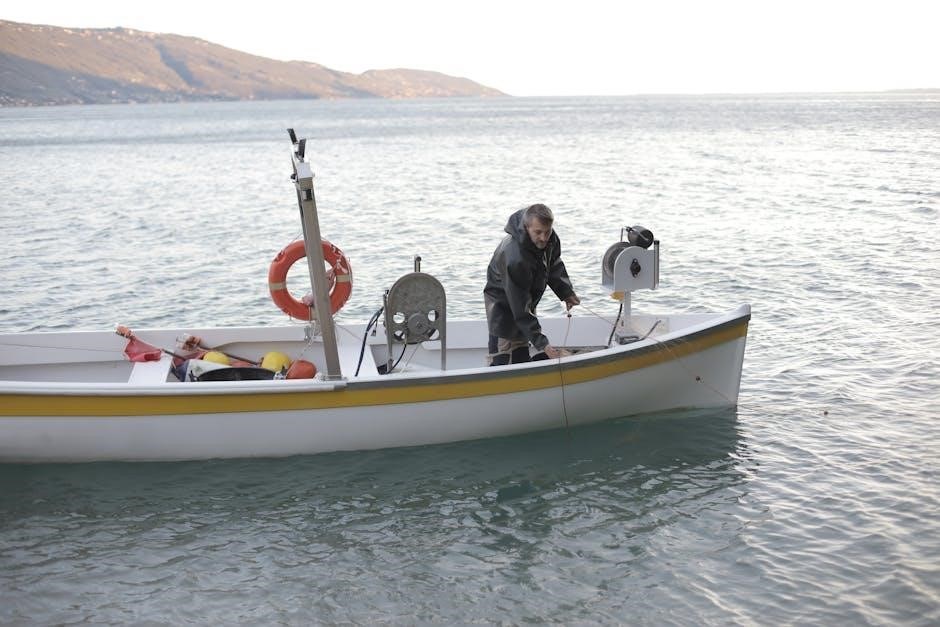
Buoy 10 is renowned for abundant Chinook and Coho salmon, attracting anglers and guides alike, with consistent action on both incoming tides and in the river.
Guides expertly navigate seasonal runs, employing trolling and bottom fishing techniques to maximize catches amidst changing conditions and evolving regulations.
Chinook Salmon: The Primary Target
Chinook salmon consistently draw anglers to Buoy 10, representing the cornerstone of many guided fishing expeditions. While Chinook retention may be closed at times, as reported for 2026, the pursuit remains a focal point due to the sheer size and fighting spirit of these fish.
Experienced guides possess intimate knowledge of Chinook migration patterns, utilizing this understanding to position clients for success. Trolling techniques, often involving deep-diving lures and bait presentations, are favored for intercepting these upriver-bound salmon. Guides meticulously monitor river conditions and tide fluctuations, adapting strategies to optimize the bite.
Despite potential retention restrictions, the opportunity to encounter and land a large Chinook is highly valued. Guides emphasize catch-and-release practices when retention is prohibited, ensuring the sustainability of this prized fishery. The anticipation of hooking into a massive Chinook fuels the excitement and draws anglers back to Buoy 10 year after year, making it the primary target for many.
Coho Salmon: Opportunities and Regulations
Coho salmon provide a significant secondary fishing opportunity at Buoy 10, particularly when Chinook retention is limited. Reports indicate “really nice-sized coho” are entering the river, offering excellent action for anglers. Guides capitalize on these runs, adjusting tactics to target this species effectively.
Understanding hatchery coho fishing regulations is crucial, with fishing often open through December 31st, but subject to change. Guides stay abreast of these regulations, ensuring clients adhere to retention limits and any specific restrictions outlined in the annual Columbia River fishing pamphlet.
Successful coho fishing often involves employing different techniques than those used for Chinook, such as utilizing brightly colored lures and spinners. Guides leverage their expertise to match the hatch and present baits effectively. The abundance of coho, exceeding one million predicted fish, promises a favorable season for those targeting this species.
Seasonal Salmon Runs & Peak Times
Buoy 10 experiences distinct seasonal salmon runs, with peak times heavily influenced by the predicted return of over one million fall salmon. Guides closely monitor run timing, adjusting strategies to intercept fish as they move upriver. The estuary’s favorable conditions contribute to a prolonged fishing season.
Generally, the prime time for Chinook is earlier in the season, while coho numbers peak later, extending opportunities into the fall and winter. Guides utilize historical data and current fishing reports to pinpoint optimal fishing windows. Incoming tides at Buoy 10 consistently produce a “good bite,” particularly during these peak periods.
Experienced guides understand that weather patterns and river conditions significantly impact fish behavior. They adapt their approach, focusing on areas where salmon congregate and utilizing techniques suited to the prevailing conditions, maximizing client success throughout the season.
Trolling Techniques for Salmon
Buoy 10 guides commonly employ trolling techniques, initiating paths directly from the buoy and following the tidal flow upriver for approximately two miles before repeating the process. This maximizes coverage of key salmon travel lanes.
Effective lures include Mepps flying C spinners, often favored for their action and flash, attracting both Chinook and coho. Guides also utilize various baits, carefully selecting options based on water clarity and fish preferences. Depth control is crucial, adjusting presentations to target salmon at different levels.
Experienced guides emphasize the importance of varying speed and lure presentation to trigger strikes. They closely monitor fish finder readings to identify schools and adjust trolling patterns accordingly, ensuring consistent contact with actively feeding salmon. Proper rod holders and line counters are essential components of a successful trolling setup.
Bottom Fishing for Salmon near the North Jetty
Buoy 10 guides recognize the effectiveness of bottom fishing, particularly near the North Jetty, as a productive salmon technique. This method involves presenting baits directly on the seabed, targeting salmon holding near the structure or foraging along the bottom.
Guides typically utilize heavy weights to maintain bottom contact in the strong currents of the Columbia River estuary. Effective bait choices include cured herring, prawns, or sand shrimp, known for their scent and attraction to salmon. A sliding sinker rig allows salmon to take the bait without feeling excessive resistance.
Successful bottom fishing requires patience and sensitivity, as bites can be subtle. Guides advise anglers to carefully monitor their lines for any indication of a strike and set the hook promptly. This technique is especially effective during periods of reduced tidal flow or when salmon are actively feeding near the bottom.
Fishing Regulations & Licensing
Buoy 10 guides emphasize strict adherence to Columbia River regulations, including Chinook retention closures and open hatchery coho seasons through December 31st.
Guides ensure clients possess required fishing licenses and understand the annual fishing pamphlet details for legal and responsible angling practices.
Understanding Chinook Retention Rules (2026)
Buoy 10 fishing guides are acutely aware of, and diligently communicate, the complex Chinook retention rules for the 2026 season. Currently, Chinook retention at Buoy 10 is closed, a critical regulation anglers must understand to avoid penalties. Guides proactively inform clients about these restrictions before and during trips, emphasizing catch-and-release practices for Chinook salmon.
These rules are subject to change based on run size assessments conducted by fisheries managers, so guides consistently monitor updates from the Columbia River fisheries authorities. They explain that the closure is implemented to protect vulnerable Chinook stocks and ensure future sustainability. Guides also detail any potential exceptions or limited openings that may occur later in the season, always prioritizing compliance with the latest regulations. Understanding these rules is paramount for a responsible and enjoyable fishing experience at Buoy 10.
Hatchery Coho Fishing Regulations
Buoy 10 fishing guides emphasize that hatchery coho fishing remains open through December 31st, offering a valuable angling opportunity amidst the Chinook closure. Guides meticulously explain the identification of hatchery coho, typically indicated by a clipped adipose fin, ensuring anglers can legally retain their catch. They stress the importance of accurately identifying coho versus other salmon species to avoid accidental violations.
Guides consistently advise clients to consult the annual Columbia River fishing pamphlet for the most up-to-date regulations, including any daily limits or gear restrictions specific to hatchery coho. They highlight that regulations can change rapidly based on run size and conservation needs. Responsible angling practices, guided by current rules, are a cornerstone of the Buoy 10 experience, ensuring the sustainability of this prized fishery.
Columbia River Fishing Pamphlet Details
Buoy 10 fishing guides universally recommend anglers obtain and thoroughly review the annual Columbia River fishing pamphlet before each trip. This pamphlet serves as the definitive source for current regulations, including Chinook and coho retention rules, gear restrictions, and open/closed areas. Guides emphasize that regulations are subject to change, often with little notice, making the pamphlet essential for legal and ethical fishing.
Experienced guides proactively discuss key details from the pamphlet with clients, clarifying any ambiguities and ensuring understanding of specific rules applicable to Buoy 10. They point out sections detailing sturgeon fishery updates and crabbing regulations within the estuary. Accessing the pamphlet, either physically or online, is considered a non-negotiable step for a successful and compliant Buoy 10 fishing adventure.
Required Fishing Licenses and Permits
Buoy 10 fishing guides consistently stress the absolute necessity of possessing valid Oregon or Washington fishing licenses, depending on the specific fishing location – river or ocean. An appropriate Columbia River endorsement is also mandatory for fishing within the river’s boundaries. Guides routinely verify client licenses before embarking on any trip, refusing service to those without proper documentation.
Guides explain that license requirements extend beyond basic angling permits; specific endorsements may be needed for salmon, sturgeon, or crabbing. They advise anglers to check the Oregon Department of Fish and Wildlife (ODFW) or Washington Department of Fish and Wildlife (WDFW) websites for the most up-to-date information. Failure to comply with licensing regulations can result in substantial fines and legal repercussions, jeopardizing the fishing experience.
Gear and Tackle Recommendations
Buoy 10 guides suggest utilizing robust rods and reels paired with effective lures like Mepps or Flying C spinners, alongside dependable bait options.
Essential accessories include quality line, hooks, and appropriate safety gear, ensuring anglers are well-prepared for successful salmon and surf perch fishing.
Recommended Rods and Reels
Buoy 10 fishing demands durable and responsive gear, particularly when targeting powerful Chinook and energetic Coho salmon. Experienced guides consistently recommend medium-heavy to heavy-action rods, typically ranging from 8.5 to 10 feet in length, providing the necessary backbone for battling fish in strong currents.
Conventional reels with a line capacity of at least 200 yards of 20-30 pound test monofilament or braided line are essential. Level-wind reels are favored for their ease of use during long fights. For anglers preferring spinning gear, a larger size (6500-8000) spinning reel spooled with similar line strength is a viable option.
Consider reels with smooth drag systems, crucial for tiring out larger salmon. Guides often emphasize the importance of well-maintained equipment, regularly servicing reels to ensure optimal performance. Investing in quality rods and reels significantly enhances the angling experience and increases the chances of landing a trophy fish at Buoy 10.
Effective Lures and Baits
Buoy 10 salmon fishing success hinges on selecting the right lures and baits. Guides frequently employ Mepps and Flying C spinners, particularly in brighter colors like chartreuse and orange, to attract attention in the often-turbid waters of the Columbia River estuary. These are effective when fishing off the North Jetty.
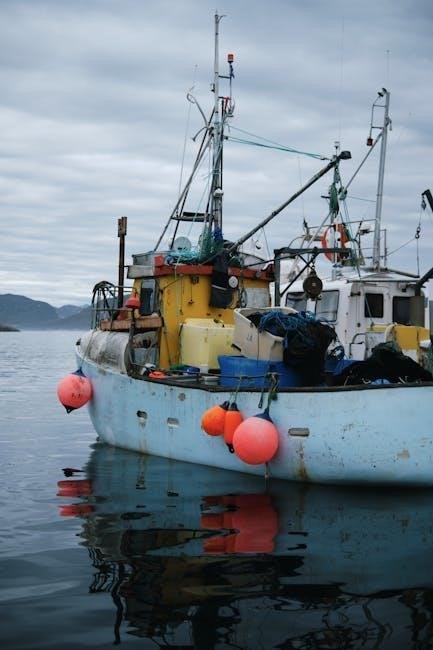
For trolling, many guides favor plug-cut herring, brined and scented with Pro-Cure, presented behind a flash flasher. Alternatively, whole herring can be used. When bottom fishing, a combination of sand shrimp and prawn proves highly effective.
The choice often depends on current conditions and salmon behavior. Experimentation is key! Don’t hesitate to try different colors and presentations; Remember to check local regulations regarding bait restrictions. Guides emphasize that fresh bait consistently outperforms older, less vibrant options, maximizing your chances of a rewarding catch at Buoy 10.
Essential Fishing Accessories
Buoy 10 fishing demands specific accessories for success and safety. A quality landing net, capable of handling large Chinook and Coho salmon, is paramount. Durable line cutters, pliers for hook removal, and a reliable fish gripper are also essential tools for any angler.
Given the estuary environment, waterproof gear – including rain jackets, pants, and gloves – is crucial. Polarized sunglasses reduce glare and improve visibility, aiding in spotting fish and navigating the waters. Don’t forget a well-stocked tackle box with extra hooks, weights, and swivels.
For crabbing, a crab pot, rope, and buoy are necessary. A marine radio is vital for communication and receiving weather updates. Finally, a current Oregon fishing license and Columbia River endorsement are legally required. Guides emphasize preparedness for a safe and productive Buoy 10 experience.
Beyond Salmon: Other Fishing Opportunities
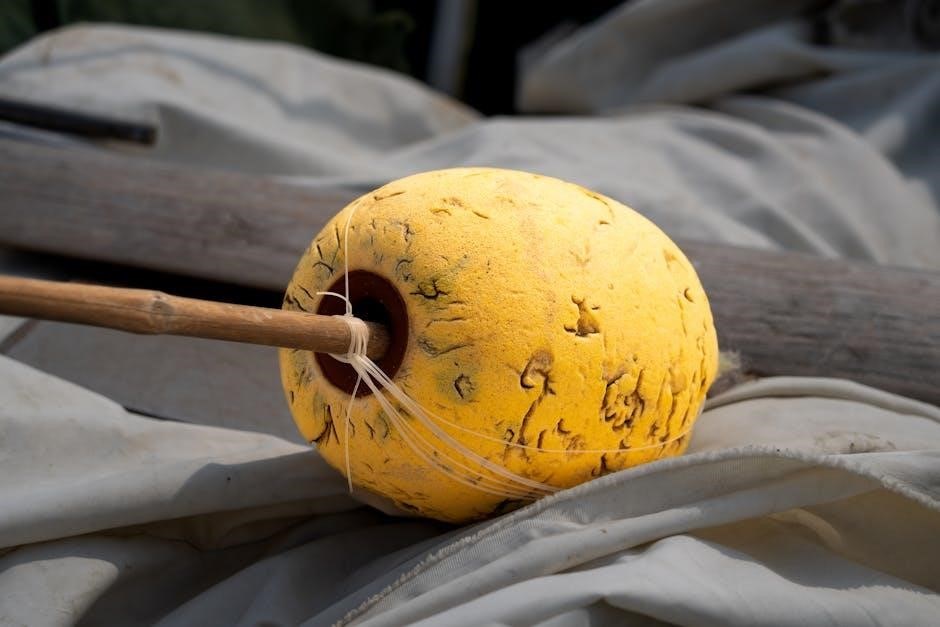
Buoy 10 guides also facilitate excellent surf perch fishing on nearby beaches, alongside rewarding crabbing in the estuary, offering diverse angling options.
Guides provide updates on sturgeon fishing in the Columbia River, expanding opportunities beyond salmon for a complete fishing experience.
Surf Perch Fishing on Nearby Beaches
Buoy 10 fishing guides expertly extend their services beyond salmon, offering fantastic surf perch fishing experiences on the conveniently located nearby beaches. These beaches consistently deliver excellent results, providing a delightful alternative or addition to a salmon-focused trip.
Guides possess intimate knowledge of prime perch locations, optimal tide conditions, and effective techniques for maximizing your catch. They’ll equip you with the appropriate gear, including specialized rods and reels, and demonstrate proven methods for locating and landing these tasty fish.
Typically, guides recommend utilizing light tackle and small lures or baits, catering to the perch’s feeding habits. They’ll share insights into reading the beach structure, identifying productive areas, and adapting to changing conditions. Many guides even stock their boats with the necessary equipment for perch fishing, ensuring a seamless transition from salmon to surf perch angling. This versatility enhances the overall fishing adventure, providing a well-rounded experience for anglers of all skill levels.
Crabbing in the Columbia River Estuary
Buoy 10 fishing guides frequently incorporate crabbing into their offerings, capitalizing on the consistently excellent opportunities within the Columbia River Estuary. This provides clients with a rewarding and flavorful complement to their salmon fishing expeditions.
Guides are well-versed in the best crabbing locations, optimal times based on tides and currents, and the proper techniques for deploying and retrieving crab pots. They supply all necessary equipment, including pots, bait, and measuring devices, ensuring a hassle-free experience.
Experienced guides will demonstrate how to bait the pots effectively, explain regulations regarding crab size and retention limits, and assist with the handling and cleaning of your catch. While crabbing has recently slowed, opportunities remain plentiful. Many guides offer combination packages, allowing anglers to enjoy both the thrill of salmon fishing and the satisfaction of harvesting fresh Dungeness crab, creating a truly memorable and delicious outing.
Sturgeon Fishing Updates (Columbia River)
Buoy 10 fishing guides stay keenly aware of the dynamic Columbia River sturgeon fishery, providing clients with up-to-date information and tailored fishing strategies. While salmon remain the primary focus, incorporating sturgeon fishing can significantly enhance an angler’s experience.
Guides closely monitor Columbia River regulation updates, as sturgeon seasons and retention rules are subject to change based on population assessments. They ensure all fishing practices adhere to current guidelines, promoting sustainable fishing.
Experienced guides possess the specialized knowledge and equipment necessary for successful sturgeon fishing, including heavy-duty rods, reels, and appropriate bait. They understand sturgeon behavior, preferred holding areas, and effective techniques for enticing these prehistoric giants; Clients can expect detailed instruction on proper hooksets, fighting techniques, and safe handling procedures, maximizing their chances of landing a trophy sturgeon while respecting this magnificent species.
Buoy 10 Fishing Reports & Resources
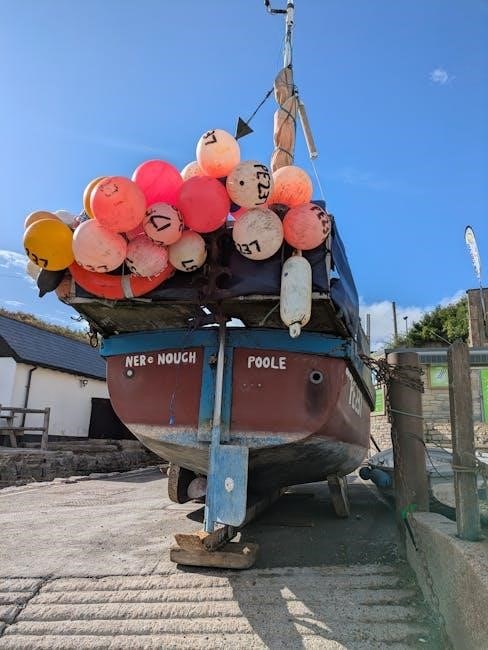
Buoy 10 guides expertly interpret tide charts and deliver current fishing reports, maximizing angler success. They provide access to vital resources.
Local guides offer invaluable insights, leveraging real-time conditions and historical data for optimal salmon and sturgeon fishing strategies.
Utilizing these resources ensures informed decisions and enhances the overall Buoy 10 fishing experience, leading to memorable catches.
Accessing Current Fishing Reports
Buoy 10 fishing guides are invaluable sources for up-to-the-minute information, often providing detailed reports directly to clients before and during trips. These reports typically cover recent Chinook and Coho salmon catches, detailing numbers, sizes, and effective techniques. Many guides maintain websites or social media pages dedicated to daily or weekly updates, offering a glimpse into current conditions.
Beyond individual guide reports, several online platforms aggregate Columbia River fishing information. Checking these resources can provide a broader perspective, though guide-specific intel often proves most accurate. Pay attention to reports mentioning weather impacts, as conditions at Buoy 10 can change rapidly. Look for details on bait and lure preferences, successful trolling depths, and areas experiencing the most action. Remember that reports are snapshots in time; conditions can shift quickly, so prioritize the most recent information available. Experienced guides will adjust strategies based on real-time observations, ensuring the best possible outcome for their clients.
Reliable sources include local tackle shops and the Oregon Department of Fish and Wildlife (ODFW) website.
Utilizing Local Fishing Guides
Buoy 10 fishing guides offer significant advantages, especially for those unfamiliar with the area’s complex currents and shifting salmon runs. Their expertise extends beyond simply locating fish; they possess in-depth knowledge of trolling techniques, optimal bait and lure selections, and interpreting tide charts for maximum success.
A skilled guide will provide all necessary gear and tackle, ensuring you’re equipped for the conditions. They handle boat operation, safety protocols, and navigating fishing regulations, allowing you to focus solely on angling. Furthermore, guides can adapt strategies based on real-time conditions, increasing your chances of landing Chinook or Coho salmon.
Choosing a reputable guide involves researching their experience, reading reviews, and confirming they possess the required licenses and permits. Many guides specialize in specific techniques, like bottom fishing near the North Jetty, so select one aligned with your preferences. Investing in a guide can transform a potentially frustrating outing into a memorable and productive fishing experience.
Understanding Tide Charts and Their Impact
Tide charts are crucial for successful Buoy 10 fishing, significantly influencing salmon behavior and angler success. The incoming tide often triggers increased salmon activity as fish move closer to the river mouth, creating a favorable bite window. Understanding tidal flow allows guides – and anglers – to position their boats strategically, intercepting migrating Chinook and Coho.
Strong tidal currents can impact trolling techniques, requiring adjustments to lure depth and boat speed. Slack tides, conversely, may reduce fish activity. Experienced Buoy 10 fishing guides expertly interpret these nuances, maximizing opportunities during peak tidal phases. They’ll often initiate a trolling path aligned with the tide, repeating the process for consistent results.
Consulting accurate, local tide charts is essential. Online resources and mobile apps provide detailed tidal predictions. Recognizing the correlation between tide stages and salmon movement is a key element in unlocking the potential of Buoy 10.
Safety Considerations for Buoy 10 Fishing
Buoy 10 demands vigilance; guides prioritize boating safety, monitoring weather conditions and adhering to guidelines for a secure angling experience.
Guides maintain awareness of emergency contact information, ensuring swift response capabilities in unpredictable river and ocean environments.
Weather Conditions and Precautions
Buoy 10 fishing is profoundly influenced by the Pacific Northwest’s dynamic weather patterns, demanding constant vigilance from experienced guides. The Columbia River Estuary experiences swift shifts, transitioning from calm, sunny conditions to blustery winds and unpredictable swells within hours. Guides meticulously monitor forecasts, paying close attention to wind speed, wave height, and potential for sudden storms.
Fog is a frequent occurrence, significantly reducing visibility and necessitating the use of radar and GPS navigation. Guides emphasize the importance of wearing appropriate layers of waterproof and windproof clothing to combat hypothermia, even during warmer months. Life jackets are mandatory for all passengers, and guides routinely conduct safety briefings covering emergency procedures, including man-overboard protocols and radio communication.
Awareness of bar conditions – the shallow area where the river meets the ocean – is crucial, as these can become treacherous with strong currents and breaking waves. Guides often adjust fishing plans or postpone trips altogether if conditions are deemed unsafe, prioritizing the well-being of their clients above all else. Staying informed and prepared is paramount for a safe and enjoyable Buoy 10 fishing experience.
Boating Safety Guidelines
Buoy 10 guides prioritize boating safety, adhering to strict protocols for a secure experience. All vessels are meticulously maintained, undergoing regular inspections to ensure compliance with Coast Guard regulations. Guides insist on pre-trip safety briefings, covering essential topics like life jacket usage, proper signaling, and emergency procedures.
Maintaining a safe speed is paramount, particularly when navigating the river and approaching the bar. Guides are adept at reading the water, identifying potential hazards like submerged obstacles and shifting currents. They emphasize the importance of situational awareness, constantly scanning for other vessels and changes in weather conditions.
Properly functioning navigation lights are mandatory, especially during low-light conditions or fog. Guides ensure all communication equipment, including VHF radios, is in working order for contacting the Coast Guard or other vessels in case of emergency. Responsible boating practices, combined with expert guidance, are fundamental to a safe and rewarding Buoy 10 fishing adventure.
Emergency Contact Information
Buoy 10 fishing guides maintain readily accessible emergency contact lists aboard all vessels. In the event of an incident, immediate communication is established with the Coast Guard via VHF radio on Channel 16 or by dialing 911. Local emergency services, including the Pacific County Sheriff’s Office and search and rescue teams, are also on standby.
Guides carry comprehensive first-aid kits and are trained in basic medical response, prepared to handle minor injuries or provide stabilization until professional help arrives. They also possess detailed charts of the Columbia River estuary, pinpointing critical landmarks and potential hazards for accurate location reporting.
Furthermore, guides maintain contact with a network of fellow fishing operators, enabling swift coordination in case of widespread emergencies. Prior to each trip, clients are informed of these emergency protocols, ensuring everyone understands procedures for a safe and responsive experience while enjoying Buoy 10 fishing.